Get Quotes
 LANG
LANG
Table of Contents
- What is a LiPo Battery?
- The Evolution and Technology Behind LiPo Batteries
- Advantages and Disadvantages of LiPo Batteries
- LiPo batteries offer significant benefits but come with drawbacks that require careful handling. Understanding these aspects helps users make informed decisions and avoid common pitfalls.
- Common Applications and Real-World Uses
- LiPo batteries have revolutionized numerous industries due to their compact size and high performance. Here’s where you’ll find them in action:
- Safety Tips and Best Practices for Using LiPo Batteries
- To maximize the benefits while minimizing risks, follow these guidelines:
- Conclusion

What is a LiPo Battery?
What is a LiPo Battery?
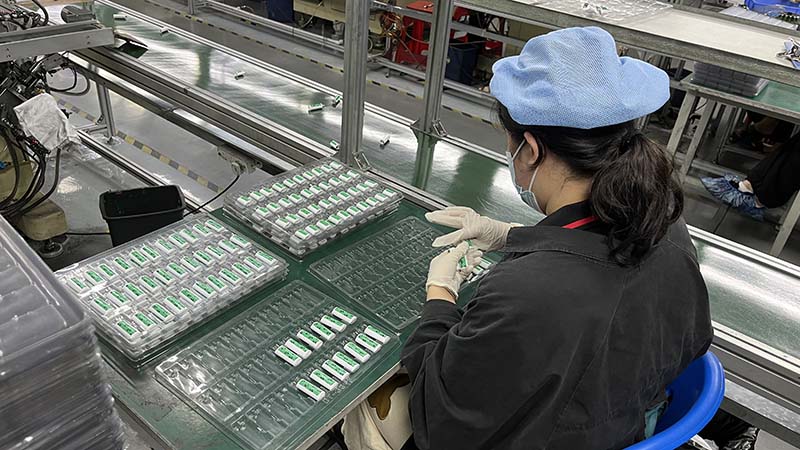
A LiPo battery, short for lithium polymer battery or more accurately, lithium-ion polymer battery (also abbreviated as LiPo, LIP, Li-poly, lithium-poly, or similar terms), is a type of rechargeable battery based on lithium-ion technology. Unlike traditional lithium-ion batteries that use a liquid electrolyte, LiPo batteries employ a solid or gel-like polymer electrolyte. This fundamental difference allows for greater flexibility in design, making them lighter, thinner, and more adaptable to various shapes and applications. In this post, I’ll break down everything you need to know about LiPo batteries, from their origins to real-world uses, ensuring you get a well-rounded understanding that addresses common queries and concerns.
The Evolution and Technology Behind LiPo Batteries
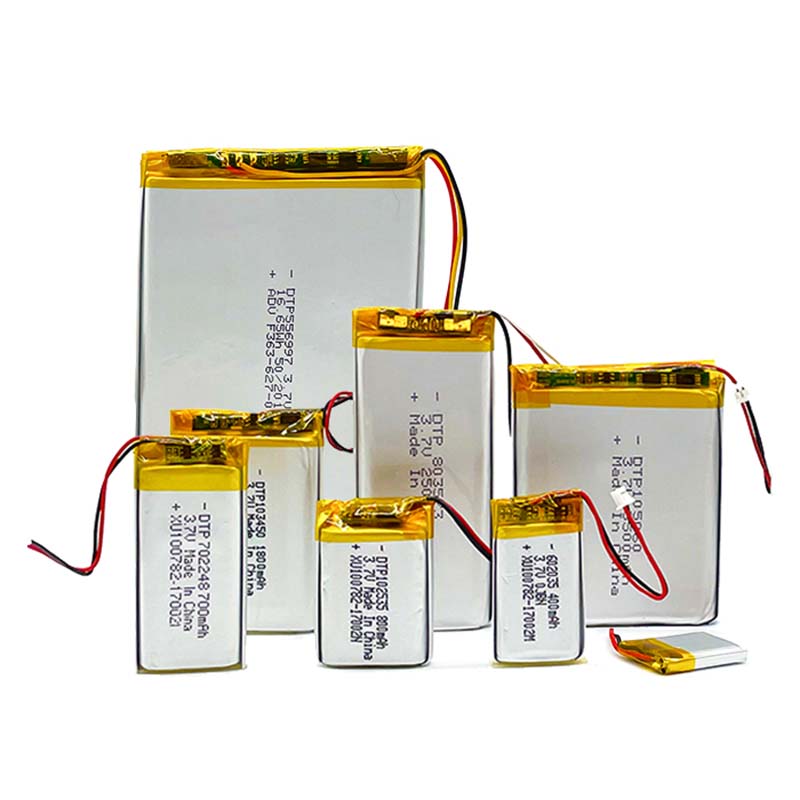
LiPo batteries emerged in the 1990s as an advancement over liquid-electrolyte lithium-ion batteries, pioneered by companies like Sony and Bell Labs. The key innovation lies in the polymer electrolyte, which can be a solid polymer or a semi-solid gel. This material not only reduces the risk of leaks but also enables the battery to be encased in flexible pouches rather than rigid metal shells. Here’s a deeper look at how they work:
•Core Technology: LiPo batteries function through the movement of lithium ions between a cathode (typically made of lithium cobalt oxide or similar compounds) and an anode (often graphite). The polymer electrolyte acts as a conductive medium, facilitating ion transfer without the need for liquid solvents. This design enhances energy density—meaning LiPo batteries can store more power in a smaller, lighter package compared to older battery types like nickel-cadmium (NiCd) or nickel-metal hydride (NiMH).
•Key Advancements: Over time, developments like multi-cell configurations and improved electrode materials have boosted performance. For instance, modern LiPo batteries often feature a nominal voltage of 3.7V per cell, with capacities ranging from 100mAh for small devices to over 10,000mAh for high-demand applications. This evolution has made them a staple in portable electronics and beyond.
Advantages and Disadvantages of LiPo Batteries
LiPo batteries offer significant benefits but come with drawbacks that require careful handling. Understanding these aspects helps users make informed decisions and avoid common pitfalls.
•Pros:
–Lightweight and Slim Profile: The polymer electrolyte allows for ultra-thin, flexible designs, ideal for space-constrained devices like smartphones and drones.
–High Energy Density: They provide more power per unit weight than many alternatives, supporting longer run times in gadgets such as RC cars or wearable tech.
–Versatility in Form Factor: Manufacturers can mold LiPo batteries into custom shapes, enabling innovative applications in everything from medical implants to foldable electronics.
–Low Self-Discharge Rate: When not in use, LiPo batteries lose charge slowly (about 1-2% per month), preserving energy better than older technologies.
•Cons:
–Sensitivity to Abuse: LiPo batteries are prone to damage from overcharging, over-discharging, or physical punctures, which can lead to swelling, fires, or even explosions. This necessitates specialized chargers and careful storage.
–Higher Cost and Shorter Lifespan: They are generally more expensive to produce and have a limited cycle life (typically 300-500 charge cycles), requiring more frequent replacements than some competitors.
–Environmental and Safety Concerns: Improper disposal can harm the environment, and users must follow strict protocols to mitigate risks like thermal runaway—a chain reaction where heat buildup causes catastrophic failure.
Common Applications and Real-World Uses
LiPo batteries have revolutionized numerous industries due to their compact size and high performance. Here’s where you’ll find them in action:
•Consumer Electronics: Powering smartphones, tablets, and laptops, where slim designs and long battery life are critical.
•Hobby and RC Models: Widely used in drones, remote-controlled cars, and airplanes for their high discharge rates and lightweight properties.
•Emerging Technologies: Essential in wearable devices (e.g., fitness trackers), electric vehicles (as auxiliary batteries), and renewable energy storage systems for their adaptability.
•Medical and Industrial Equipment: Employed in portable medical devices and IoT sensors due to their reliability and low maintenance needs.
Safety Tips and Best Practices for Using LiPo Batteries
To maximize the benefits while minimizing risks, follow these guidelines:
•Charging and Storage: Always use a balanced charger designed for LiPo batteries to prevent overcharging. Store them at around 50% charge in a fireproof container, away from flammable materials.
•Handling Precautions: Avoid exposing batteries to extreme temperatures or physical damage. If a battery swells or leaks, dispose of it immediately at a certified recycling center.
•Long-Term Care: Monitor voltage levels during use and recharge before they drop below 3.0V per cell to extend lifespan. Regularly inspect for signs of wear.
Conclusion
In summary, a LiPo battery is a rechargeable lithium-ion variant that uses a polymer electrolyte instead of liquid, offering advantages like lightweight design, high energy density, and versatility across tech applications. However, their sensitivity to misuse underscores the need for proper handling and safety measures.

Hey there,We are from Shenzhen Data Power Technology Ltd.
Shenzhen Data Power Technology Ltd. It is a manufacturer with 16 years of experience in lithium-ion manufacturing and research and development. "Get customized product solutions and save 30% on procurement costs."
CONTACT US NOW